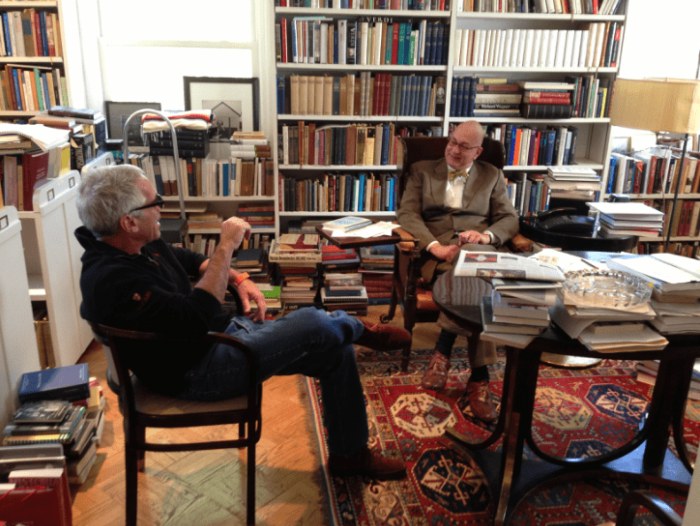
The longest-running presidency in American higher education is coming to an end under a shadow of scandal. Leon Botstein, the polymath who has transformed Bard College into a global cultural powerhouse since 1975, announced his retirement Friday. The news broke alongside the release of a scathing independent report detailing his extensive and previously downplayed ties to convicted sex offender Jeffrey Epstein.
The WilmerHale Findings: “Not Fully Accurate”
The retirement follows a three-month investigation by the law firm WilmerHale, commissioned by Bard’s Board of Trustees after Department of Justice documents revealed Botstein’s name appeared over 2,800 times in Epstein-related files.
While the report found no evidence of illegal conduct, it concluded that Botstein was “not fully accurate” in his public descriptions of the relationship. The investigation unearthed a level of intimacy that starkly contradicted Botstein’s earlier claims of a purely professional fundraising pursuit:
-
The $56,000 Watch: In a bizarre detail, the report revealed a joint purchase of a luxury timepiece. Botstein, a noted collector, kept the watch for nearly a year before Epstein demanded either its return or reimbursement.
-
“Miss You”: Emails from 2013 showed Botstein signing off messages to Epstein with “Miss you” and expressing goodwill toward the financier even after Epstein’s history of sexual abuse was public knowledge.
-
Island Visits: The review confirmed Botstein visited Epstein’s private Caribbean island and invited Epstein to both the Bard campus and a Bard-affiliated high school.
“Taking Money from Satan”
Throughout the controversy, Botstein maintained a defiant stance, famously telling investigators that his philosophy on fundraising was: “I would take money from Satan if it permitted me to do God’s work.”
However, the WilmerHale report suggested that Botstein’s “God’s work”—which included building the prestigious Center for Curatorial Studies (CCS) and the Hessel Museum of Art—became inextricably linked to a lapse in judgment that the board could no longer ignore.
An Art World Seismic Shift
Botstein’s departure on June 30 marks a turning point for the international art community. Under his half-century of leadership, Bard became the “West Point” of the art world; its graduate programs have produced the curators who now run the world’s major museums.
Despite the controversy, the Board of Trustees, chaired by James Cox Chambers, expressed gratitude for Botstein’s “countless accomplishments.” The school’s future now rests on a national search for a successor capable of separating the college’s elite reputation from the legacy of its embattled leader.
What Happens Next?
Botstein isn’t leaving the campus entirely. In a move that has already sparked debate among the student body, he will:
-
Transition to a full-time faculty role.
-
Continue as the head of Bard’s music programs.
-
Relocate to Finberg House, a campus residence.
As Bard prepares to name an interim president, the institution faces the daunting task of “de-Botsteinizing” its identity while preserving the academic rigor he spent 51 years cultivating.